Posts

Showing posts with the label Herbs

The Dos & Don’ts of Growing Mint

Image
It’s fragrant, fast-growing, green, and compliments fruits, vegetables and meats. It’s also its own ice cream flavour. So what’s not to love about mint? If you’ve ever grown the herb, you know where I’m going with this, but if you haven’t and are interested: read on for the dos and don’ts of successfully growing mint in your home garden or in a container. Like cilantro and basil, mint is one of the easiest herbs to grow; however, its roots, which are called “runners,” are incredibly invasive: they quickly grow, sprouting new leaves and new plants as they go. Mint will overtake a flower bed or garden in no time if you’re not careful. DO When choosing a location for your mint, find one where the plant will receive morning sun and partial afternoon shade. Plant on a patio, in a container. When planting the herb in a flower bed, first submerge a container (either a pot, a mesh bag or edging to at least 5 inches deep), leaving the rim above ground level when potted, so the mint’s fast-growi...

Yucca Growing | How To Care For A Yucca Houseplant

Image
If your friendly yucca plants become yellow or may discover black spots on leaves then there may be chances of spoiling the growth of yuccas from blooming flowers. You need not worry as this problem can be easily solved by applying natural fertilizers and by providing sufficient water and sunlight to the plants. Yucca plant is a perennial shrub in the family of Asparagaceae that is abundantly seen in the Caribbean and American countries. It is a super air-purifying plant and grows well in hot and dry climatic conditions. Plant leaves, stems and roots are poisonous if consumed directly. Though the plant is poisonous it contains powerful antioxidants that help to cure a stomach ache, headache and other skin related problems in humans. Here in this article, we shared the detailed information related to the yucca plants, growing conditions and how it is helpful in your daily life to lead a happy life. Companion Plants Yucca combination plants include euphorbia, sedum, lilies, sage, rudbeck...

HOW TO GROW YOUR OWN MOSS

Image
I love outdoor spaces filled with overgrown blooms, piles of mismatched pots, bits and bobs of weathered sculpture, and richly textured blankets of moss. Moss adds a touch of magic and intrigue to any garden, and makes it look that much lusher! Super easy to propagate, moss is actually an amazing plant to have in your garden because it has no known pests AND also stays green throughout winter. If you're looking to learn how to grow your own moss, you've come to the right place! With just a few ingredients (only 2 really!), you can grow your own moss! HOW TO GROW YOUR OWN MOSS – A DIY GARDENING GUIDE INGREDIENTS: A piece of moss from your garden or anywhere else – it can be dead or alive. 2 cups of water 2 cups buttermilk TOOLS: Blender Paintbrush DIRECTIONS: Pour the water and buttermilk into a blender. Top with enough moss to fill the blender. Blend until you get a milkshake-like consistency. Paint or pour the mixture over rocks, pots, garden decorations, fences, bricks, trees...

Growing Bell Peppers in Pots Or Containers

Image
 Growing Bell Peppers In Containers Peppers are a complete joy to grow if you live in a continuous hot weather climate that is! If you don’t have the space to grow them in a garden, it gets a little trickier, but don’t fret, a pot is all red peppers need to grow! It’s container gardening at it’s finest! After you’ve got your hands on some pepper seeds or a plant from the local nursery, the next step is, yep you guessed it, you need to find a pot! Time to start growing bell peppers! Pots Or Containers : When browsing for suitable pots, make sure its at least 10 inches deep and 10 inches in width. Drainage holes at the bottom are definitely recommended, a pot of this size can easily grow and maintain 2-3 plants. Avoid place pots if you’re already in a hot climate for your plants will attract a little too much sun. Seeds: If you choose a plant from a nursery you can skip to the next section, however, if you simply purchased some seeds you’ll want some seed food or potting mix as well....

How to grow marjoram

Image
Marjoram is a sweet yet savory herb that pairs well with vinaigrettes, salads, and vegetable dishes. Growing your own marjoram can be quite simple, and it will surely come in handy when you prepare those summer dishes. Take a look below for some helpful tips on how to grow marjoram right in your own garden, so you can have it for all of your cooking needs. How to Grow Marjoram How to grow marjoram from seedlings Marjoram grows quite slowly, so planting from seeds is not advised. In order to achieve a quicker harvest, you should plant from seedlings found at your local greenhouse. When planting your marjoram seedlings, choose a spot with full sun and well drained soil. Your seedlings should be planted 12 inches apart, as they do like plenty of space. How to grow marjoram in a pot If you are limited on space,  marjoram can in fact be grown in pots. You can get away with 1-2 plants per 18 inch pot. Make sure the pot you choose drains well and is full of nutrient rich soil. Position th...

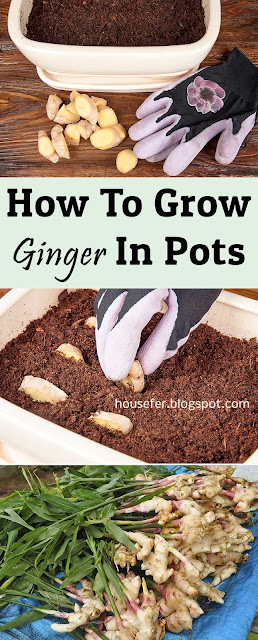
How To Grow Ginger In Pots

Image
Ginger roots are used extensively in the cuisine for its flavour and aroma. Furthermore, this plant is recognised for its medicinal properties, having antibacterial, antiviral and antioxidant properties. This plant, so appreciated around the world can easily be grown in pots. Here’s how to do this. You need: fresh ginger root (you find it in supermarkets) pot topsoil Ginger roots, such as potatoes, can germinate. If you one already germinated, the better, if not, all you have to do is to sink the ginger root in a bowl with warm water for at least three hours. Meanwhile, fill a pot with topsoil. Make sure you choose a soil that doesn’t retain too much water. Put the ginger root in the ground and cover it with soil. If the ginger root is already germinated, take care to place it with its sprout up. But you should know that ginger grows pretty hard, so you must have patience. It can take up to several weeks for the plant to germinate, but with special care, in a few months, you can enjoy ...

Everything About Growing Ficus Trees | How to Grow Ficus Trees

Image
Ficus trees are native to India, Australia and the South Pacific, where they’re often grown as specimen trees or planted in groups as hedges. In the tropics, they can grow to heights of 50 feet or more. When grown as houseplants, they generally grow to 10 feet tall. Ficus trees are related to figs and do produce flowers and fruit in warm climates. Indoors, they rarely flower and never fruit because they lack a pollinator. The broadleaf evergreen leaves are glossy, elongated ovals, while the bark is grey or white. Some ficus trees have multiple branches that have been braided together for an interesting texture. PLANTING A FICUS TREE To grow ficus trees outdoors, plant them in well-draining, loamy soil of average fertility. Plant them in a location that gets full sun or partial shade. Fertilize ficus trees in the spring with ½ cup 10-10-10 fertilizer per tree. Although ficus trees are somewhat drought tolerant, they do best with moderate soil moisture. Water them when the soil dries out...

How to Care for a Swiss Cheese Vine Plant- Monstera adansonii

Image
The Monstera adansonii is a smaller relative of the insta-famous Monstera deliciosa and quite often mislabelled as Monstera obliqua, a much rarer family member. With the right care, the cheese vine plant makes a great evergreen indoor houseplant. Because it doesn’t grow as fast and as big as the Monstera deliciosa, it is perfect for smaller spaces. Smaller size, but still a big impact. It can climb or trail, therefore your Monstera adansonii is perfect to keep as an indoor hanging plant or on a shelf where it can cascade down. Monstera adansonii Care Tips Know the basics on how to best care for your Monstera adansonii and make it thrive. It’s not hard, but it does require a little attention. Light It is good to know where the Monstera adansonii originates from. What is the native habitat? Knowing this you can try and and mimic this for your plant in your home. The Monstera adansonii comes from the jungles of Central and South America. In the wild, they grow on tree trunks under coverag...

8 Reasons why plants love cinnamon (These really work!)

Image
Did you know that plain old kitchen cinnamon is an amazing fungicide? Not only that, but cinnamon can be used in the garden so many different ways. I've discovered 8 different ways to use cinnamon for plants. From fungus killer to rooting hormone, cinnamon has got ya covered! Here are my most common uses for cinnamon in the home & garden. How to use cinnamon in your garden 1) Cinnamon saves seedlings. The term dampening off covers a range of diseases that attack a seed/seedling either before or after germination and cause the seedling to die. They can be caused by several different fungus and soil conditions.  A few years back I read that if you dust the soil of seedlings with cinnamon, it will prevent dampening off. I've been doing it since with great results! This makes a lot of sense too, since cinnamon has antifungal properties.  This also gets rid of those little fungus gnats that somehow appear around seedling trays. Cinnamon kills the fungus they feed off of.  ...

7 TIPS TO SUCCESSFULLY GROW LEMON TREE IN A POT

Image
In this article, we'll learn all about growing a lemon tree in a pot or growing a lemon tree indoors. It is very much possible, and sometimes, a better option than growing in a garden, because of the controlled environment. Sometimes, unseasonal rain and lack of sun in the spot where your lemon tree is growing can cause a lot of damage, which can be easily rectified if your lemon tree is in a pot. So are you all set to grow a lemon tree either on your sunny balcony or in a sunny spot in the garden? Imagine the steady supply of juicy lemons for lemonades, mojitos, salad dressings and pickles! My mouth watered a bit, even as I typed that. 1. SELECTING A LEMON PLANT Select a good quality, high yield plant from the nursery. A grafted lemon plant works best as it will start yielding fruit in the same year. A plant grown from seed will take nearly 5 years to start fruiting. Choose a plant with a couple of fruits and a few blooms, so you know that it is a fruiting grafted variety. Ask you...

6 Fast Bearing Fruit Trees

Image
There’s nothing quite like the experience of going out into your own backyard and picking fresh fruit right off the tree. But fruit trees can be discouraging to many gardeners who like to see a quick turnaround in yield. Many fruit trees can take years to start bearing fruit, and represent a significant time and space investment in any garden. Some citrus trees can take between six and ten years before you see the first piece of fruit! For those of us that like to see a quicker turnaround from our gardens but still don’t want to give up the idea of fresh fruit, there are several types of fruit trees that will bear fruit fairly quickly. Figs, mulberries, peaches, and even limes can all give you a successful fruit harvest within the first year they are planted when well cared for. The key to getting a quick first harvest from many fruit trees is to purchase grafted stock. Grafting is a technique where a budding stem of one tree is inserted into the rootstock (roots and some portion of th...

How to Build the Best Garden Soil

Image
Building up your garden’s soil is the best way to make your garden thrive this year. As we grow plants in our gardens year after year the soil breaks down and needs help to provide your garden with what it needs. If you are growing a garden to feed your family or even to make a little extra money from your garden it is important to have great soil. Building up your soil is an easy taste that has a great reward. Fall is a great time to build up your soil for next year.  Compost, compost, compost for the best garden soil Adding great compost to your soil is an amazing way to build up your soil quickly. Check your local Craigslist for a deal on mushroom compost. This strong compost is often sold by the truckload or large feed bags for cheap. Mushroom compost is high in salt so it is best to add to established plants rather than germinating seeds. This is a great start for any canning garden. If you would rather DIY your compost you can reduce kitchen waste and get great compost for yo...

How to Test Seeds For Germination

Image
Before you throw those old seed packages away, test them to see if they are still viable using this simple germination test As I eagerly wait for spring, and the stores begin to roll out their seed starting supplies, I find myself drawn to the seed displays. Before I know it, I usually have a few packages in my hands to purchase. Sometimes I arrive home to discover that I have duplicate seed packages. Luckily, depending on how the seeds are stored, most seeds can last several seasons or more. They do lose potency over time and will have a decreased germination rate the older they are. Some seeds like onion, parsnip, parsley, and chives are not likely to sprout a second year. Even if they do germinate, they may not have the vigour to produce healthy plants like when they were new. When in doubt, it is best to purchase fresh seeds rather than jeopardize your crop’s success. Fedco’s Seed Viability Chart will give you a general idea of how long seeds will last. Use this chart as a guidelin...

HOW TO GROW SAFFRON INDOORS

Image
Saffron is one of the most expensive herbs in the world which is why it's such an amazing idea to learn how to grow saffron indoors in your own home! You get to save money AND grow a beautiful, aromatic herb that can bring a little bit of magic to any dish! It may be a little hard to find saffron bulbs at your local nursery, but you should have a very easy time finding them online! HOW TO GROW SAFFRON INDOORS – A GARDENING GUIDE PLANTING SAFFRON: Purchase saffron bulbs from a reputable nursery or online store. Be sure that the bulbs are saffron occurs and not autumn meadow crocus. To figure out how many corms you may need, follow this rule: three threads per person times the number of people in the family times the number of saffron dishes made per year. For example, if a family of four has saffron dishes once every two months or so, they need 24 plants. Generally, saffron corms should be planted in the fall, and indoors is the perfect climate for them as they do not tolerate wet s...